Contact the NSPCC Helpline
You can contact our Helpline by calling 0808 800 5000 or emailing [email protected].
Our voice Helpline is available 10am–4pm Monday to Friday. You can email [email protected] at any time for free. You have the option to remain anonymous.
If we have not yet responded to you and your concerns for the safety of a child increase, please contact the police or local Children’s Services directly. Please be assured that we'll action all contacts that our Helpline receives.
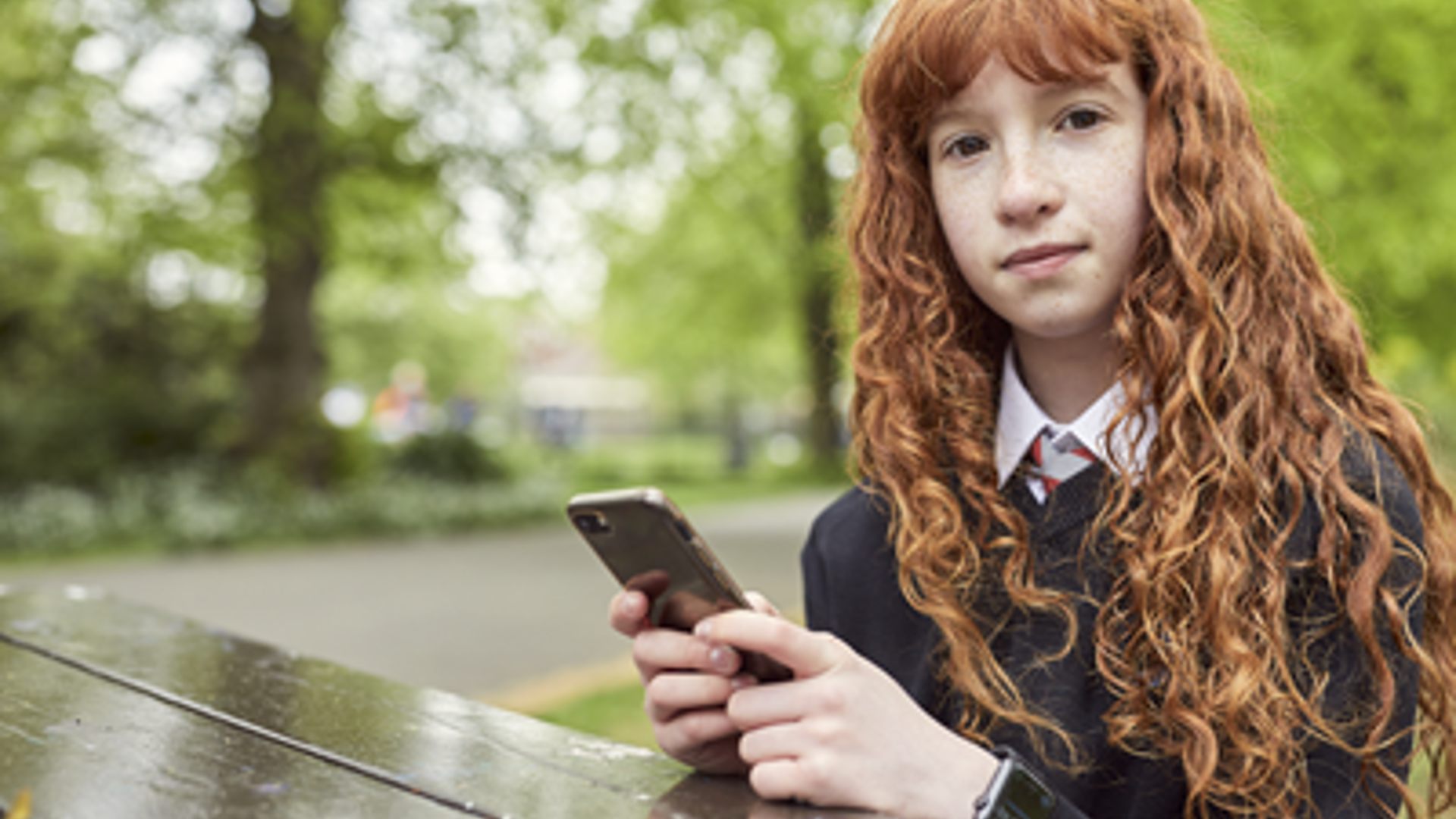
Under 18?
Childline offers free, confidential advice and support whatever your worry, whenever you need help.
On this page
Finding out your child, friend or family member has been sexually abused can be distressing and you might not know what to do next. We're here to support you and your loved ones and give you the reassurance that you are doing the right thing and that there is information and support out there for you.
Report abuse
You can contact the NSPCC Helpline by calling 0808 800 5000 or emailing [email protected].
What is sexual abuse?
When a child or young person is sexually abused, they're forced, tricked or manipulated into sexual activities. They might not understand that what's happening is abuse or that it's wrong for the abuser to do this to them. They might be afraid to tell someone or behave as though this is normal for them to experience, both are valid for the child to be displaying. Sexual abuse can happen anywhere – and it can happen in person or online.
It's never a child's fault they were sexually abused – it's important to make sure children know this.
Types of sexual abuse
There are two types of sexual abuse – contact and non-contact abuse. And sexual abuse can happen in person or online.
Contact abuse
Contact abuse is where an abuser makes physical contact with a child or forces the child to make physical contact with someone else. This includes:
- sexual touching of any part of a child's body, whether they're clothed or not
- using a body part or object to rape or penetrate a child
- forcing a child to take part in sexual activities
- making a child undress or touch someone else.
Contact abuse can include touching, kissing and oral sex – sexual abuse isn't just penetrative.
Non-contact abuse
Non-contact abuse is where a child is abused without being touched by the abuser. This can be in person or online and includes:
- exposing or flashing
- showing pornography
- exposing a child to sexual acts
- making them masturbate
- forcing a child to make, view or share child abuse images or videos
- making, viewing or distributing child abuse images or videos
- forcing a child to take part in sexual activities or conversations online or through a smartphone.
Find out more about grooming and child sexual exploitation. Although their definitions are slightly different to sexual abuse, they are all forms of child abuse.
- avoiding being alone with or frightened of people or a person they know
- language or sexual behaviour you wouldn't expect them to know
having nightmares or bed-wetting - alcohol or drug misuse
- self-harm
- changes in eating habits or developing an eating problem
- changes in their mood, feeling irritable and angry, or anything out of the ordinary
- change in normal behaviour for the child, for example suddenly not attending education or avoiding wanting to go home/running away.
- bruises
- bleeding, discharge, pains or soreness in their genital or anal area
- sexually transmitted infections, including in the throat
- pain/soreness in throat
- pregnancy
- difficulty in walking/sitting that are not usual for the child.
Online sexual abuse
If a child is being or has been sexually abused online, they might:
- spend a lot more or a lot less time than usual online, texting, gaming or using social media
- seem distant, upset or angry after using the internet or texting
- be secretive about who they're talking to and what they're doing online or on their mobile phone
- behaving as though they have to be online at a certain time, or rushing to get on their phone
- have lots of new phone numbers, texts or email addresses on their mobile phone, laptop or tablet
- Expressing the need for money, this may be used if they are being blackmailed.
Children and young people might also drop hints and clues about the abuse.
If you're worried about a child and want to talk to them, we have advice on having difficult conversations. You can also visit our information and advice on online safety.
Worried about a child?
Contact our Helpline by calling 0808 800 5000 or emailing [email protected].
If a child reveals abuse
If a child talks to you about sexual abuse it's important to:
- listen carefully to what they're saying
- don’t push them too much, but allow them to talk freely or answer
- let them know they've done the right thing by telling you
- tell them know it's not their fault
- say you'll take them seriously
- don't confront the alleged abuser
- explain what you'll do next
- report what the child has told you as soon as possible
- decide if they need medical attention.
Report abuse
You can contact the NSPCC Helpline by calling 0808 800 5000 or emailing [email protected].
Effects of sexual abuse
Sexual abuse can have both short and long-term effects. The impact of sexual abuse can last a lifetime. Children, young people and adults may live with:
- anxiety and depression
- eating disorders
- post-traumatic stress
- difficulty coping with stress
- self-harm
- suicidal thoughts and suicide
- flashbacks or nightmares
- sexually transmitted infections
- pregnancy
- feelings of shame, guilt and isolation
- drug and alcohol problems
- relationship problems with family, friends and partners.
Our services can support children and young people who have experienced sexual abuse to help support them and to make sure they receive the care they need.
Who's at risk
Any child is at risk of being sexual abused. It's important to remember that both boys and girls can be sexually abused.
Most children who've been sexual abused are abused by someone they know. This could be a family member, a friend or someone who has targeted them, like a teacher or sports coach.
Children who are sexually abused online could be abused by someone they know. They could also be abused by someone who commits a one-off sexually abusive act or a stranger who builds a relationship with them.
Some children are more at risk of sexual abuse. Children with disabilities are more likely to be sexually abused, especially those who are unable to tell someone what's happening or don't understand what's happening to them is abuse.
Some abusers target children who may be isolated. For example, a child may be in care or they may already be neglected by their parents or carers. Other abusers target families or children who have no obvious vulnerabilities.
It's important to remember that a child is innocent and the abuser is at fault.
Report sexual abuse
To report sexual abuse:
- contact the children's social care team at their local council.
- call 999 if the child is at immediate risk or call 101 if you think a crime has been committed
- call Crimestoppers anonymously on 0800 555 111 or online
- call our Helpline on 0808 800 5000 - our dedicated child protection specialists will be able to advise and take any necessary action.
Report Abuse in Education helpline
We’ve launched a dedicated helpline for children and young people who have experienced abuse at school, and for worried adults and professionals that need support and guidance, including for non-recent abuse. Call our new NSPCC helpine, Report Abuse in Education on 0800 136 663 or email [email protected].
Support
For parents
Finding out your child has been sexually abused can be frightening and distressing. But there's help for you and your family.
We Stand supports non-abusing parents and carers whose children have been sexually abused.
Worried about a child?
You can contact the NSPCC Helpline by calling 0808 800 5000 or emailing [email protected].
For children and young people
Our Women as Protectors service helps mums and carers who are in contact with a man who may cause sexual harm to their children.
The Survivors Trust is made up of member organisations which support adults and children who have survived rape and sexual abuse. Find support in your area.
For children and young people in north London, the Lighthouse provides support to children and young people who have experienced sexual abuse to help them recover.
Find out more about all our services for children, including how to get in touch with ones in your area.
How Childline can help
We understand how difficult it is for children to talk about sexual abuse. Whether it's happening now or happened in the past, Childline can be contacted 24/7. Calls to 0800 1111 are free and confidential. Children can also contact Childline online.
Childline has information and advice for children and young people about sexual abuse and rape and sexual assault.
Teaching children and young people about healthy relationships and how to stay safe online can help prevent sexual abuse and exploitation. These foundations can be laid from a young age. Our PANTS rules are a simple way to teach younger children how to stay safe from abuse. Your child may have already had the talks in school, but it’s important to talk to them at home too. We have tips and advice on how to have difficult conversations.
It's also important to make sure children and young people know there are trusted adults, including outside home that they can speak to about their worries, such as school or Childline.
You can ask your child's school to book our free Speak out Stay safe programme for primary school children. The programme includes an online assembly, lesson plans and a our trained volunteers deliver workshops, covering topics like bullying and abuse, but without using any scary words or adult language.
If you're worried about gangs, it can be difficult to know what to do to help protect young people. Whether a child is thinking about joining a gang, is already involved or want to leave, they need help and support. You can contact our Helpline for details of organisations near you that can give you support and advice.
Encourage transparency in what your children are doing online. You can keep gaming devices and computers and laptops with webcams in the living room or family spaces. Use parental controls and keep up-to-date on the apps and games children and young people are using.
We know parents and carers of d/Deaf and disabled children and young people can worry about keeping their children safe from abuse. Some children and young people may not be aware of the dangers of abuse. Or aren't able to let someone know they're not safe because it may be harder for them to show or tell someone.
We have a range of guides you can download to help children learn the PANTS rules without using any scary words. You can look at these together and talk about what PANTS means. We've also got tips and advice to help you answer some of the common questions children and young people ask.
For d/Deaf children and young people we have a video in British Sign Language (BSL) with subtitles to help you share the PANTS rules. Our video on contacting Childline using SignVideo is a useful tool to help you explain different types of abuse and give children and young people the knowledge of who they can contact if they're worried.
Talk PANTS with your kids with our fun activity pack
No one ever wants to think about their child being affected by sexual abuse, but that's exactly why talking about it is so important.
That's why we've created a Talk PANTS pack to help families across the country start the conversation. For just £5 you can get your pack - and your money will go to helping us in our important work keeping children safe around the UK.
If your child has sexually abused someone
We know that sometimes children are abused by other young people. When this happens it's harmful to both themselves and others. Children who develop behaviour which harms others have often experienced abuse and neglect themselves. Sometimes children who have been sexually abused might not know what has happened to them is wrong – which makes them feel their sexual behaviour towards others is okay.
If your child has sexually abused or harmed another child, or you're worried about their behaviour, it's important to get them the support they need. We run therapeutic services for children who are at risk of harming other children sexually:
- National Clinical Assessment and Treatment Service (NCATS).
- Turn the Page.
Find out more about all our services for children, including how to get in touch with ones in your area.
Help if you're worried about your behaviour towards children
If you're worried about your behaviour, help is available. Contact our Helpline by calling 0808 800 5000 or emailing [email protected].
If you are, or think you might, sexually abuse a child or young person, there's help available. Stop it now! is a free helpline offering information, guidance and support.
- Call Stop it now! – People living in the UK and Ireland can call for free on 0808 1000 900 (Monday – Thursday 9am-9pm and Friday 9am-5pm).
- Message online – Stop it now! have a secure messaging service available24-hours a day.