The 'Hide page' button at the bottom left of your screen will quickly take you to Google.
Alternatively use Ctrl + W (PC) or Command + W (Mac) on your keyboard to close this tab.
You can contact our Helpline by calling 0808 800 5000 or emailing [email protected].
Our voice Helpline is available 10am–4pm Monday to Friday. You can email [email protected] at any time for free. You have the option to remain anonymous.
If we have not yet responded to you and your concerns for the safety of a child increase, please contact the police or local Children’s Services directly. Please be assured that we'll action all contacts that our Helpline receives.
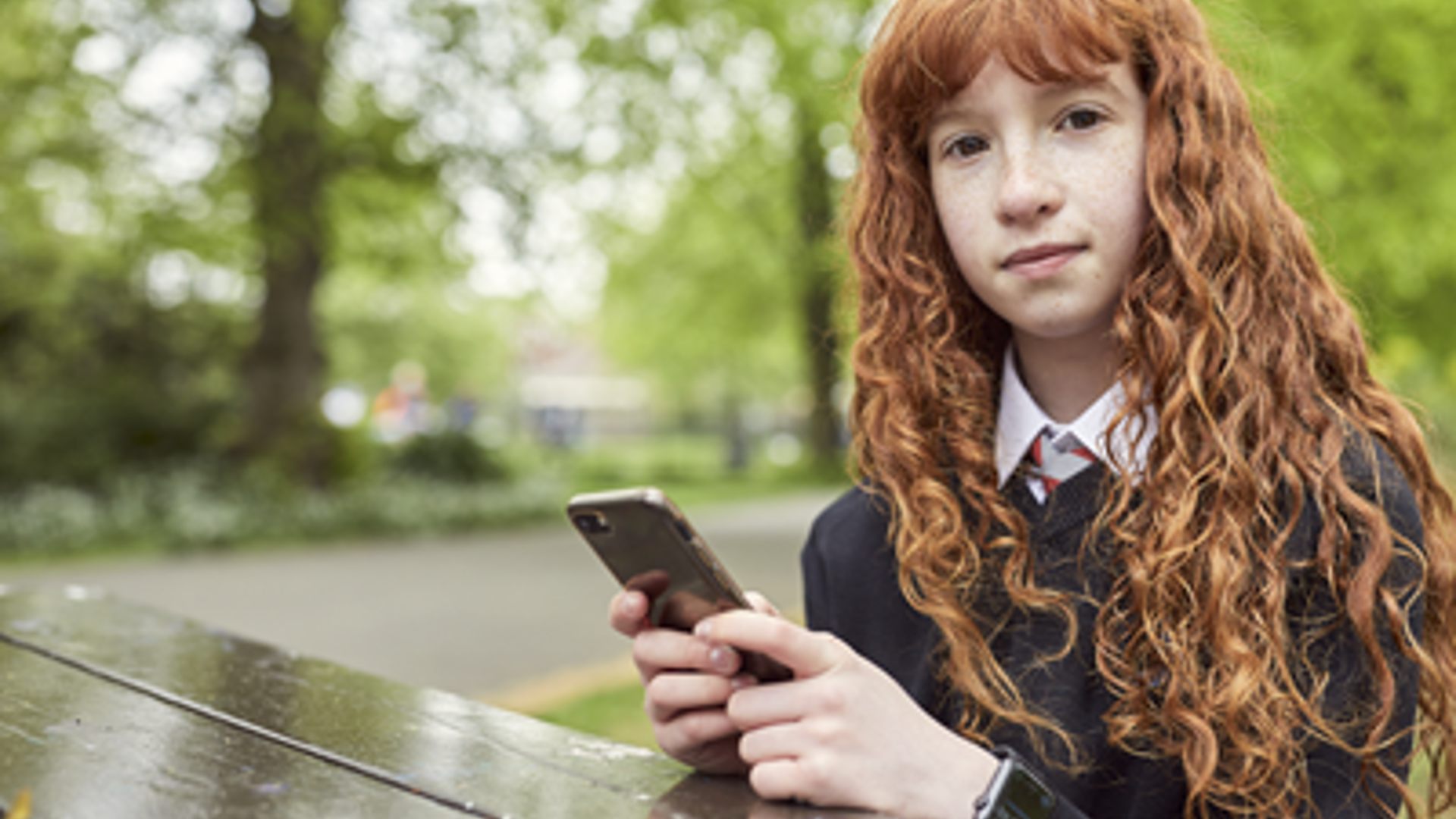
Childline offers free, confidential advice and support whatever your worry, whenever you need help.

It can be difficult to know what you can do if you're worried about a child who's being physically abused. We have information and advice to help you feel confident in taking the next steps to keep children and young people safe.
Contact our Helpline by calling 0808 800 5000 or emailing [email protected].
Physical abuse is when someone hurts or harms a child or young person on purpose. It includes:
It's important to remember that physical abuse is any way of intentionally causing physical harm to a child or young person. It also includes making up the symptoms of an illness or causing a child to become unwell.
Bumps and bruises don't always mean a child is being physically abused. All children have accidents, trips and falls. And there isn't just one sign or symptom to look out for. But it's important to be aware of the signs.
If a child regularly has injuries, there seems to be a pattern to the injuries or the explanation doesn't match the injuries, then this should be reported.
Physical abuse symptoms include:
It can also include other injuries and health problems, such as:
Head injuries in babies and toddlers can be signs of abuse so it's important to be aware of these. Visible signs include:
You can contact the NSPCC Helpline by calling 0808 800 5000 or emailing [email protected].
A child who is being physically abused might not realise what’s happening is wrong. And they might even blame themselves. If a child talks to you about physical abuse it’s important to:
You can contact the NSPCC Helpline by calling 0808 800 5000 or emailing [email protected].
Physical abuse can have long lasting effects on children and young people. It can lead to poor physical or mental health later in life, including:
If a baby or infant is shaken or thrown, they might suffer head or brain injuries, causing:
Physical abuse can happen in any family. But some parents might find it hard to give their children a safe and loving home if they're facing:
Babies have a higher risk of suffering physical abuse as well as disabled children, especially those who are unable to tell someone what's happening or don't understand what's happening to them is abuse.
If you're an adult experiencing physical abuse, there are organisations that can help.
You can contact the NSPCC Helpline by calling 0808 800 5000 or emailing [email protected].
We understand how difficult it is for children to talk about physical abuse. Whether it's happening now or happened in the past, Childline can be contacted 24/7. Calls to 0800 1111 are free and confidential. Children can also contact Childline online.
Childline has information and advice for children and young people about physical abuse, including why it happens and what they can do.
If you are, or think you might be, physically abusing a member of your family, there's help available. Contact our Helpline by calling 0808 800 5000 or emailing [email protected].
Respect offers information, advice and support to perpetrators of abuse.