43026 Exp 11 2026

Contact the NSPCC Helpline

You can contact our Helpline by calling 0808 800 5000 or emailing [email protected].

Our voice Helpline is available 10am–4pm Monday to Friday. You can email [email protected] at any time for free. You have the option to remain anonymous.

If we have not yet responded to you and your concerns for the safety of a child increase, please contact the police or local Children’s Services directly. Please be assured that we'll action all contacts that our Helpline receives.

Find out more
;

Hero 43512 Exp 2027 04

Under 18?

Childline offers free, confidential advice and support whatever your worry, whenever you need help.

0800 1111

Contact Childline
;

Rise in reports to the NSPCC Helpline about children being left home alone

Contacts to our Helpline from concerned adults increased by 11% in the most recent financial year.

  • The NSPCC Helpline handled 7,452 contacts last financial year from adults with concerns about a child being left home alone or unsupervised, compared to over 6,700 contacts the previous year.
  • More than two fifths (44%) of these contacts resulted in a referral being made to external agencies.

Contacts to the NSPCC Helpline from adults concerned about a child being left at home alone or unsupervised have risen by 11%.

The service, which provides help and advice for adults with concerns about the wellbeing of a child, handled 7,452 contacts about this issue between 1 April 2025 and 31 March 2026, compared to 6,719 contacts the previous year (2024/25). 

More than two-fifths of these contacts (44%) were deemed serious enough for the Helpline to make a referral to external agencies such as children’s services or the police, for intervention or support. Over a third (35%) of those referrals were made for children aged five and below.

Contacts peaked in the summer holidays

The months with the greatest number of contacts were July and August, with 793 and 871 contacts respectively. These months can be particularly difficult for parents as they are forced to balance the competing pressures of work and childcare. 

With schools across the UK breaking up for the summer holidays in the coming weeks, many adults might feel unsure about whether their child is ready to be left unsupervised or have concerns about another child being left alone. 

A parent from England*, who contacted the NSPCC Helpline, said: “Every time my children, who are 7 and 10, spend time at their father’s, they come back with very unregulated sleep and meal routines. 

“Recently, the youngest told me they were left alone at night while their dad went for a run, which made them feel very scared about being locked in. I’ll need to address this with him, as it was not the first time he has done this, but I’m afraid he might react badly and accuse me of being overprotective. Thank you for taking this seriously.”  

There is no legal age limit for leaving children, but we recommend not leaving a child aged under 12 years old at home alone. Also, if a child has expressed worries about being left without a parent or carer, those should be taken seriously and respected.
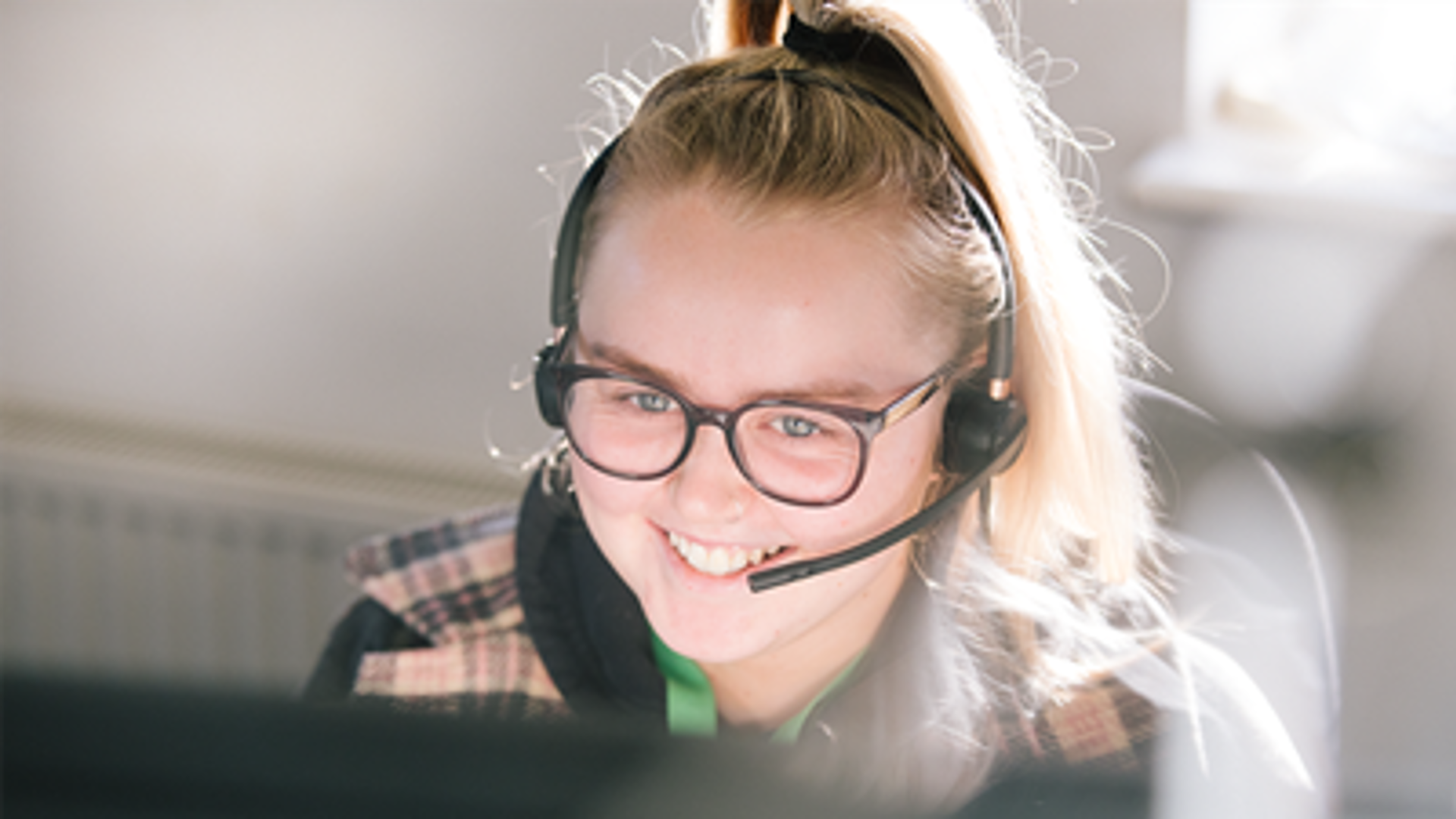
Kam Thandi, Head of the Helpline, said: "For many parents and carers, the long summer break can be a logistical nightmare, as they try to balance keeping their children safe and cared for with the demands of work.

“Managing these pressures may lead some to consider whether leaving their child at home alone is a practical solution.

“Even for children aged 12 and over, it’s important to make sure they feel confident about being left by themselves, and to agree in advance what they will be doing while the parent or carer is away and what they should do if anything goes wrong.

“Parents and carers can also turn to the NSPCC Helpline and website for a wide range of expert advice, information and support.” 

Five tips for parents and carers considering leaving their child alone

1) For a young person, being left on their own for the first time can feel just as daunting for them as it does for you as a parent or carer leaving them. To prepare them, it can help to talk through different situations they might face and how to handle them – for example, would they know what to do if someone knocked at the door.

2) Make sure they have key phone numbers written down, including the emergency services and trusted contacts like family or friends, in case they’re unable to contact you or they face an emergency.

3) Agree in advance what they will be doing while you are out and be clear about any rules or limits – for example, cooking can be risky and should only be done by an older child.

4) As a carer or parent, you should make it clear what time you expect to be back, keeping your child informed if plans change, and check in with them regularly.

5) Being left at home alone can be a significant adjustment, depending on the child. It is best to start with short periods – around 20 minutes – and gradually increase the time as they become more comfortable and confident.

Resources and contact information

Online advice

Home alone web page

Home alone quiz

All keeping children safe advice

NSPCC Helpline

Tel: 0808 800 5000

Email: [email protected]

Helpline webpage

Childline

Supports children and young people up to and including the age of 18. 
Tel: 0800 1111
Online support includes email and 121 chat.

*This snapshot is based on real Childline callers, but is not necessarily a direct quote.