43026 Exp 11 2026

Contact the NSPCC Helpline

You can contact our Helpline by calling 0808 800 5000 or emailing [email protected].

Our voice Helpline is available 10am–4pm Monday to Friday. You can email [email protected] at any time for free. You have the option to remain anonymous.

If we have not yet responded to you and your concerns for the safety of a child increase, please contact the police or local Children’s Services directly. Please be assured that we'll action all contacts that our Helpline receives.

Find out more
;

Hero 43512 Exp 2027 04

Under 18?

Childline offers free, confidential advice and support whatever your worry, whenever you need help.

0800 1111

Contact Childline
;

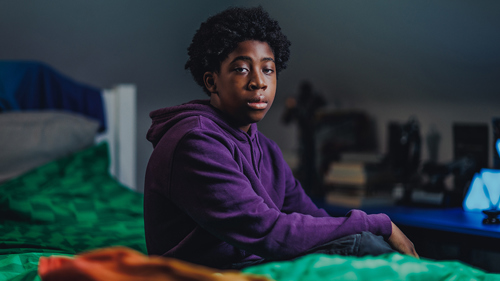
Rise in children struggling with loneliness contacting Childline

In 2025/26, our Childline service delivered just under 5,000 counselling sessions about loneliness – an annual increase of 7%.

    • Where age was known, almost half of all contacts were from 16 to 18-year-olds.
    • This Loneliness Awareness Week, Childline is reminding young people that we’re always available as a safe, confidential place to seek support.
    • Young people can contact Childline by calling 0800 1111 or visiting the Childline website.

Rising numbers of children and young people struggling with loneliness are reaching out to Childline for help.

In 2025/26, we delivered 4,893 counselling sessions to children and young people seeking support to cope with loneliness – an annual increase of 7%.

Where age was known, almost half of all counselling sessions (45%) were delivered to teenagers between the ages of 16 to 18.

Some cited fears of being isolated and unable to make friends when going through major life changes, such as moving to university or starting a new job.

Summer can be a particularly difficult time for children and young people dealing with loneliness. Childline counselling sessions last year for the issue peaked in July.

We’re releasing this data in support of Loneliness Awareness Week, an event hosted by Marmalade Trust, which inspires conversations about loneliness and promotes connections across the world.


One boy, aged 12, told Childline:

“I feel completely out of touch with the world – like nothing is real. I don’t have any friends and I can’t stand being around my family, so I spend all my time in my room just wasting away.”

When discussing loneliness, children across all ages reached out to the service to talk about related issues, including:

    • wanting a sense of belonging or connection
    • being online contributing to feelings of loneliness, such as seeing their friends post about their lives online or fear of being removed from group chats
    • feeling like friends and family are too busy to talk or spend time with them
    • becoming lonely as a result of being bullied not knowing where to seek support for loneliness. 

A girl, aged 17, said:

“Recently my ‘friend’ cancelled on me, then later I saw she was out with other friends when she posted about it online. I feel so let down and so alone, I really feel like I have no friends.”

Shaun Friel, Childline Director, said:

“It’s heart-breaking to see so many young people turning to Childline because they feel lonely. 

“At Childline, we’re hearing older teenagers expressing worries that they won’t fit in when they are going through significant life changes such as starting college, university or a new job and younger children feeling left out of social plans during the summer holidays. 

“It is important that we acknowledge these feelings and don’t ignore them. This Loneliness Awareness Week, we want to remind children and young people that Childline is here for them, no matter what their situation.”

Advice for adults on helping children and young people who might be experiencing loneliness

    • Communicate openly: Encourage children to talk about their feelings and listen without judgement.
    • Discover what’s causing the problem: Gently explore why they might be feeling this way and validate their emotions.
    • Encourage socialising: Help children find opportunities to connect with peers through hobbies, clubs or activities.
    • Help them build their confidence: Celebrate their strengths and achievements and remind them of the positive relationships in their lives.
    • Build a supportive environment: Loneliness isn’t something that can be resolved with one conversation. It’s important to create an environment of openness where a child can talk to you about their feelings and any struggles they may be facing.  

NSPCC Helpline

You can contact the NSPCC Helpline by calling 0808 800 5000 or emailing [email protected]

Find out more

Advice for children who are struggling with loneliness

    • Do things that feel positive: Try your best to take part in activities you enjoy, whether that’s playing a sport, listening to music, reading a book or drawing. Small positive actions really can have a big impact on your mood.  
    • Take care of yourself: When you're struggling with difficult feelings, it’s important to continue to prioritise your basic needs such as eating well, staying hydrated and getting enough sleep. Taking care of your body can have a positive impact on your mental health.  
    • Try to find ways to socialise: Whether it’s joining a club, connecting with peers at school, or reaching out to a trusted friend, prioritising socialising can help to reduce feelings of loneliness.
    • Remember it’s always okay to ask for help: Speak to a trusted adult, a teacher, a friend, or contact Childline. No matter what you’re feeling, you don’t have to go through it alone.

Childline

Childline is available for young people via the phone on 0800 1111 and online through the 121 chat on the Childline website.

Contact Childline