43026 Exp 11 2026

Contact the NSPCC Helpline

You can contact our Helpline by calling 0808 800 5000 or emailing [email protected].

Our voice Helpline is available 10am–4pm Monday to Friday. You can email [email protected] at any time for free. You have the option to remain anonymous.

If we have not yet responded to you and your concerns for the safety of a child increase, please contact the police or local Children’s Services directly. Please be assured that we'll action all contacts that our Helpline receives.

Find out more
;

Hero 43512 Exp 2027 04

Under 18?

Childline offers free, confidential advice and support whatever your worry, whenever you need help.

0800 1111

Contact Childline
;
HERO 69804 Exp 2031 03

Supporting your child with new social media changes

The government plans to ban social media for under-16s by spring 2027, while introducing new safety measures. Here's more about what's happening, along with advice on supporting your child.

You may have seen the recent announcement that the UK government plans to ban social media for under-16s by Spring 2027. New measures to make online spaces safer for children and young people will also be introduced.

For many parents and carers, this brings mixed feelings. You might feel relieved, unsure what it means in practice, or worried about how it will affect your child’s friendships and daily life. 

All of these reactions are valid. What matters most is this: you are not expected to manage this alone, and these changes do not replace the importance of your role in your child’s online life. 


What’s changing and what it means for families 

The new rules aim to reduce the risks children can face online, including exposure to harmful content, bullying and contact from strangers. 

The changes are expected to include: 

    • a ban on under-16s using social media platforms such as TikTok, Instagram, Snapchat, Facebook and YouTube 
    • restrictions on high-risk features like livestreaming and contact with strangers, which will apply across a wider range of online services, including gaming sites 
    • stronger age checks to verify users’ ages 
    • possible limits on late-night use and ‘infinite scrolling’ 

It’s important to understand that not all online spaces are affected in the same way. 

    • messaging services such as WhatsApp are not expected to be included in the ban 
    • some platforms, including gaming sites (e.g. Roblox), will sit outside of the under-16s ban 
    • however, children may still experience risks in these spaces, particularly where communication with others is involved or where they might see harmful content 

Children will still be able to go online to learn, play games and stay in touch with people they know. These changes are designed to help, but they will not remove all risks, or access to all online spaces. 

A reassuring reality check 

It’s understandable to hope these changes will solve the problem, but it helps to keep a balanced perspective. 

Not everything online is harmful, and many children use digital spaces in positive and creative ways. At the same time, some young people may still find ways to access social media, and could still have harmful interactions, even with restrictions in place. 

This matters because online safety is not only about access. It is also about helping children understand, question and navigate the online world confidently. 

Age checks and bans can help, but they don’t solve everything 

New systems, such as age verification, are intended to make it harder for under-16s to access certain platforms. But no system is perfect. 

Some young people may: 

    • find workarounds 
    • move to less regulated spaces 
    • rely more on peer guidance than adult support 

This means that technology can support safety, but it cannot replace the role of trusting relationships and open conversations at home. 

Parents and carers continue to play an important role 

As a parent or carer, you have a powerful protective role. Children are more likely to stay safer online when they feel able to talk openly with you, trust your reactions, and know they will be supported rather than judged. 

You do not need to be a technical expert. What matters most is being present, curious and approachable. 

Building confidence through conversations 

Talking about online life does not need to feel like a big or difficult task. Small, regular conversations can make a real difference. 

1. Start with connection, not concern 
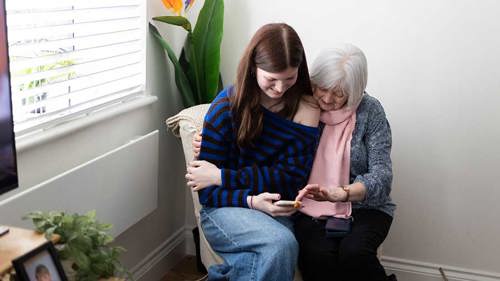
Show interest in your child’s digital world by asking simple, open questions about what they enjoy and who they connect with. You might say, ‘What do you enjoy doing online at the moment?’ or ‘Who do you usually talk to when you’re gaming or chatting?’ 

These kinds of conversations help children feel seen and understood, rather than monitored, making it more likely they will share their experiences with you openly. 

2. Talk about changes together 

When discussing the new rules, explain that these changes are about safety and wellbeing, while also acknowledging that they may feel frustrating or unfair for your child. 

You might say, ‘There are new rules coming in to help keep young people safer online. I know that might feel limiting, but we can talk about it together.’ 

The government has highlighted that open conversations between children and their parents or carers are an important part of helping young people stay safe, make good choices and get help if something does not feel right.

3. Focus on skills, not just rules 

Even with restrictions in place, children still need to learn how to recognise when something feels wrong, manage peer pressure, deal with upsetting content and ask for help when they need it. 

These are lifelong skills that go beyond any single app or platform, and they will continue to support your child as they grow and their online world changes.

4. Keep the door open 

Let your child know they can come to you about anything they see or experience online, and that they will not be punished for being honest. This includes if they experience anything harmful on a “banned” platform. It is the job of tech companies to implement effective age checks, and children must know that they have not broken any laws if they experience harm on these sites. 

For example, you might say: "If anything ever worries you online, I’ll always listen first. You won’t be in trouble for speaking up."


Creating a supportive approach at home 

Every family is different, but a balanced approach often includes: 

Clear and consistent boundaries 

    • Agree expectations around apps, screen time and night-time use.
    • Explain the reasons behind your decisions.

Shared responsibility 

    • Involve your child in discussions and decisions. 
    • Recognise their growing independence, especially as they get older. 

Using tools as support, not replacements 

Modelling healthy habits 

You don’t need to have all the answers 

Many parents worry that they should already have all the answers when it comes to online safety, especially as new rules and technologies continue to emerge. In reality, the online world is constantly evolving, and even experts are still learning. No parent gets everything right, and it is completely normal to feel unsure.

What makes the biggest difference is creating an environment where your child feels safe to talk, ask questions and share their experiences, knowing you are on their side. 

The new social media rules are an important step in improving children’s online safety, but the most important support your child has is still you.

A trusted relationship, open and ongoing conversations, and the confidence to ask for help will make the biggest difference in helping them feel safe, understood and able to navigate the online world with confidence.