

43026 Exp 11 2026

Contact the NSPCC Helpline

You can contact our Helpline by calling 0808 800 5000 or emailing [email protected].

Our voice Helpline is available 10am–4pm Monday to Friday. You can email [email protected] at any time for free. You have the option to remain anonymous.

If we have not yet responded to you and your concerns for the safety of a child increase, please contact the police or local Children’s Services directly. Please be assured that we'll action all contacts that our Helpline receives.

Find out more
;

Hero 43512 Exp 2027 04

Under 18?

Childline offers free, confidential advice and support whatever your worry, whenever you need help.

0800 1111

Contact Childline
;

We've seen a 10% increase in child protection concerns in sport

In 2025/26, our Helpline handled almost 700 contacts from adults with child protection concerns in a sports setting – a 10% increase on the year before.
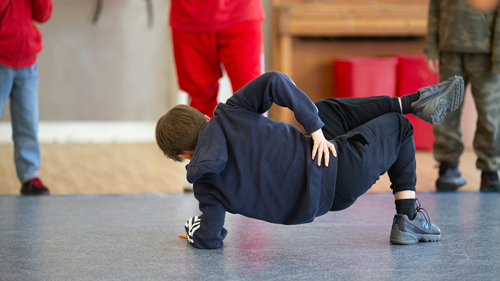
    • The most common concern mentioned within a sports setting was sexual abuse and exploitation, followed by emotional abuse and physical abuse.
    • We’re releasing this data as we rename our child protection in sports service to NSPCC Sport.
    • Adults who contacted our Helpline expressed worries about the conduct of sports professionals, as well as other parents, and how clubs lacked strong child protection procedures.
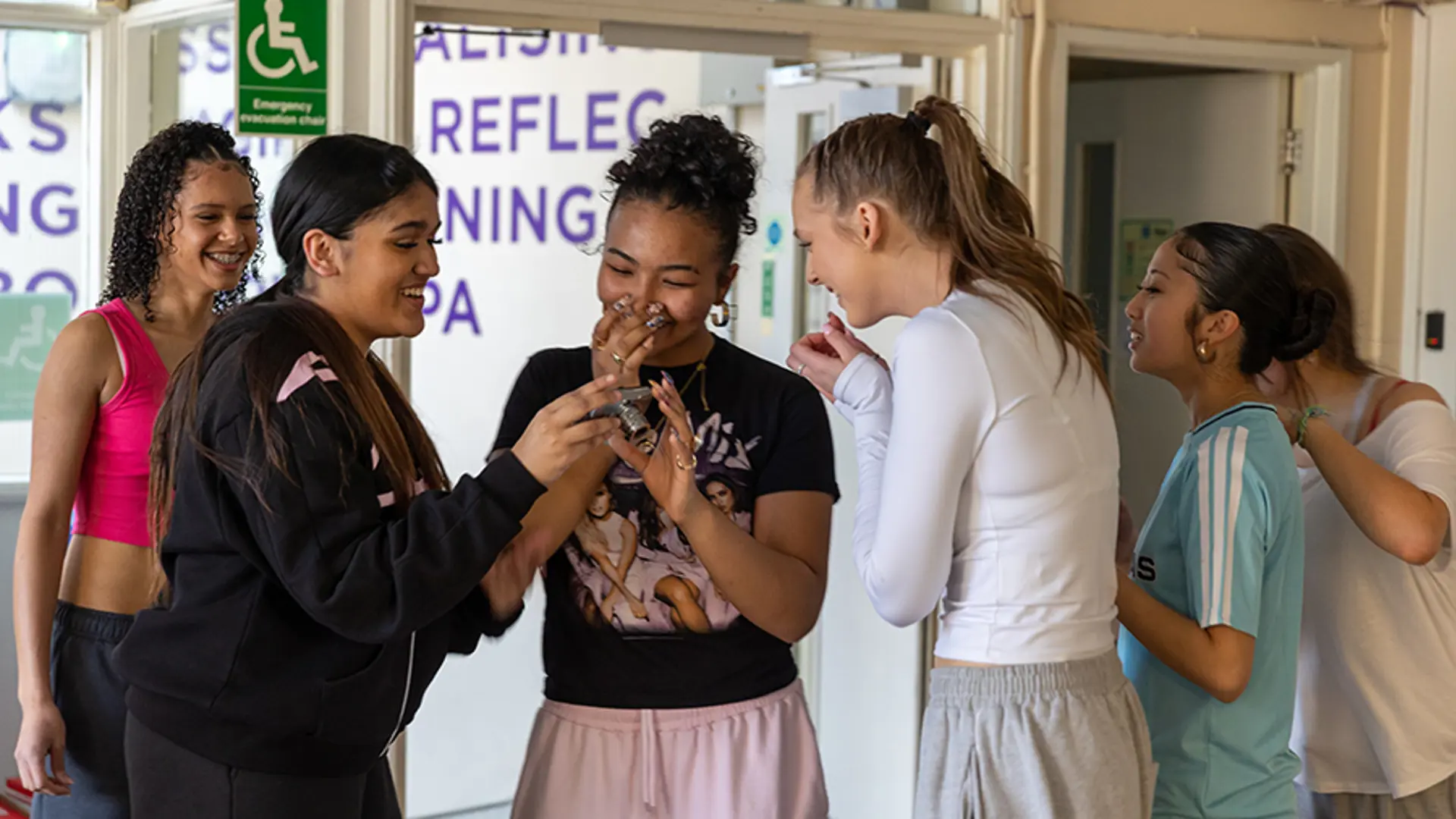
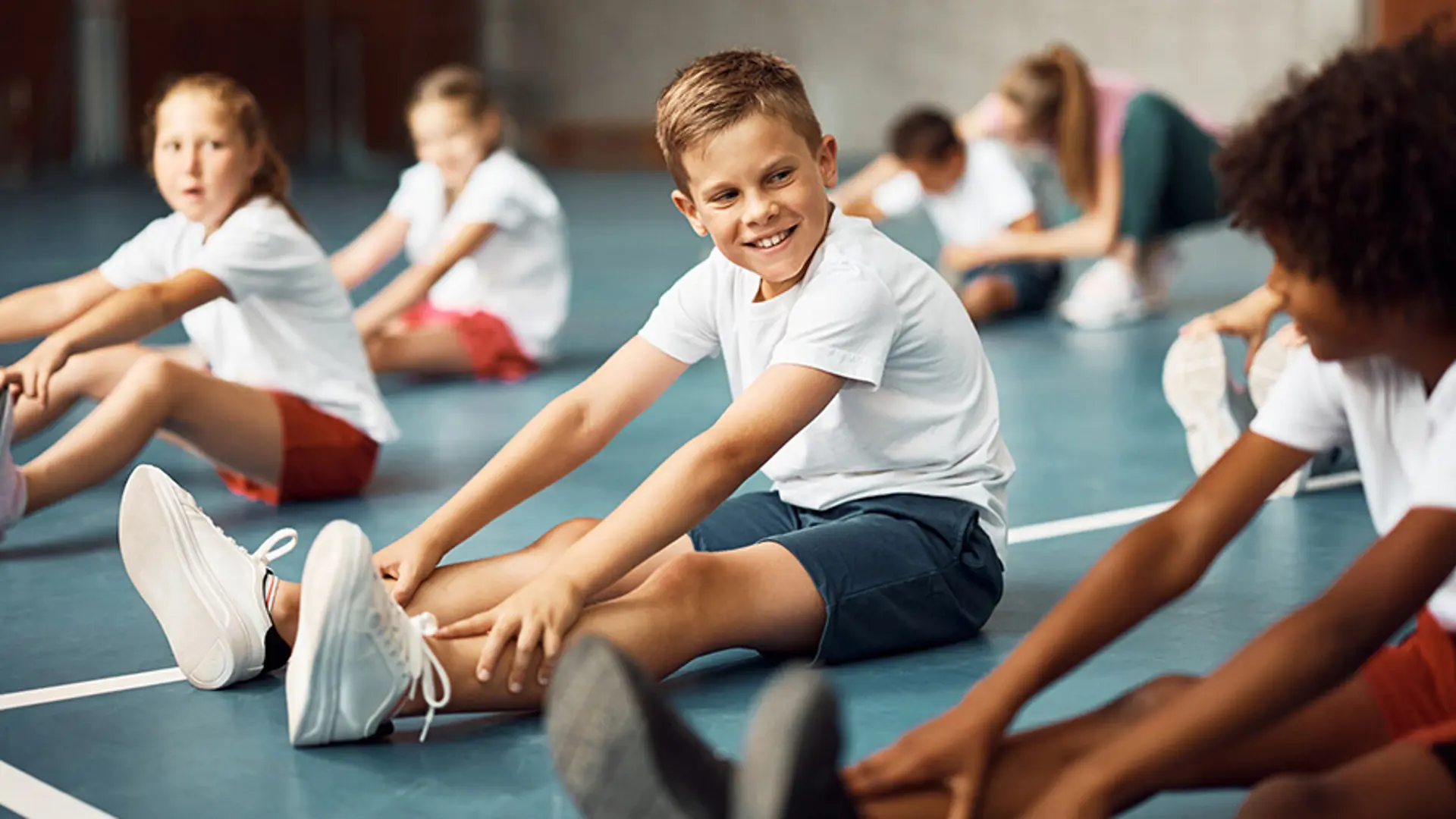
A rising number of parents and professionals are reaching out to us with worries about children taking part in sporting activities.

Last year, our Helpline dealt with 683 contacts from adults across the UK with child protection concerns in a sports setting, which is an annual increase of 10%. 

The most common concerns raised when reaching out to us were sexual abuse and exploitation – almost a fifth of the contacts – followed by emotional abuse and physical abuse.

A parent told the NSPCC Helpline:

"My 14-year-old daughter has told me about a dance teacher at her school who has been engaging in relationships with other pupils that I believe are inappropriate. Apparently, this teacher communicates with some of the girls over text and meets up with them outside of class. I am reluctant to approach the school directly about this myself, based on how previous complaints have been handled. I really don’t know how to deal with this but would like to request anonymity."

Adults who contacted our Helpline expressed worries about the conduct of sports professionals, as well as other parents, and how clubs lacked strong child protection procedures.
We’re releasing this data as we announce the renaming of our long-running Child Protection in Sport Unit to NSPCC Sport, which coincides with its 25-year anniversary.

NSPCC Sport helps organisations to create safe and inclusive environments so that all children can enjoy and thrive in sport and physical activity. It provides guidance on how to practise child protection procedures and encourages them to focus on children’s welfare.

An anonymous contact told our Helpline:

"I wanted to raise a concern about the director of a sports club. I’ve heard them say awful things about the children, some of which were openly discriminatory. 

"The way they run the club is so chaotic that I don’t think they have any policies in place. I’m afraid of what they might do if they knew I’d spoken up so I’d like to remain anonymous."

Our child protection in sport service has been supported and endorsed by leading organisations and high-profile sporting figures, demonstrating the trust placed in it.

Max Whitlock OBE, Team GB Artistic Gymnast and NSPCC Friend, said:

"To be a part of this moment for a service that has existed for 25 years – solely aimed at supporting children in sport – is a huge privilege to me.

"Sport gave me so much growing up and every child should have the opportunity to take part without fear or harm.

"I urge all clubs and sport groups to work with NSPCC Sport to ensure they are providing a safe and happy space for children to take part in activities that have the potential to shape their lives."

NSPCC Sport, originally named the Child Protection in Sport Unit, began in 2001 and works in partnership with organisations including the Premier League, the Football Association, UK Sport and the Sport Councils across England, Wales, and Northern Ireland.

Christian McMullen, professional learning services director at the NSPCC, said:

"NSPCC Sport has been supporting organisations for 25 years, helping them to understand how to prioritise children and young peoples’ welfare, as well as guiding them on how to implement robust safeguarding procedures.

"However, these new figures highlight that there is still work to be done within sports settings and NSPCC Sport hopes to reach even more organisations to help them create a safe and supportive environment for young people.

"No child should feel intimidated, scared or worried when taking part in sports, and any adult who has concerns should reach out to the NSPCC for support."

NSPCC Helpline

You can contact our Helpline by calling 0808 800 5000 or emailing [email protected]

Find out more