43026 Exp 11 2026

Contact the NSPCC Helpline

You can contact our Helpline by calling 0808 800 5000 between 10am and 4pm, Monday to Friday, or by emailing [email protected] between 11am and 4pm, seven days a week. If you send an email when the service is closed, it won't be received, and we won't know that you've tried to get in touch.

If we have not yet responded to you and your concerns for the safety of a child increase, please contact the police or local Children’s Services directly. Please be assured that we'll action all contacts that our Helpline receives.

Find out more
;

Hero 43512 Exp 2027 04

Under 18?

Childline offers free, confidential advice and support whatever your worry, whenever you need help.

0800 1111

Contact Childline
;

Thousands of children seek Childline support for bullying, as numbers for online bullying rise

Last year, our service delivered almost 6,000 counselling sessions to young people about bullying.

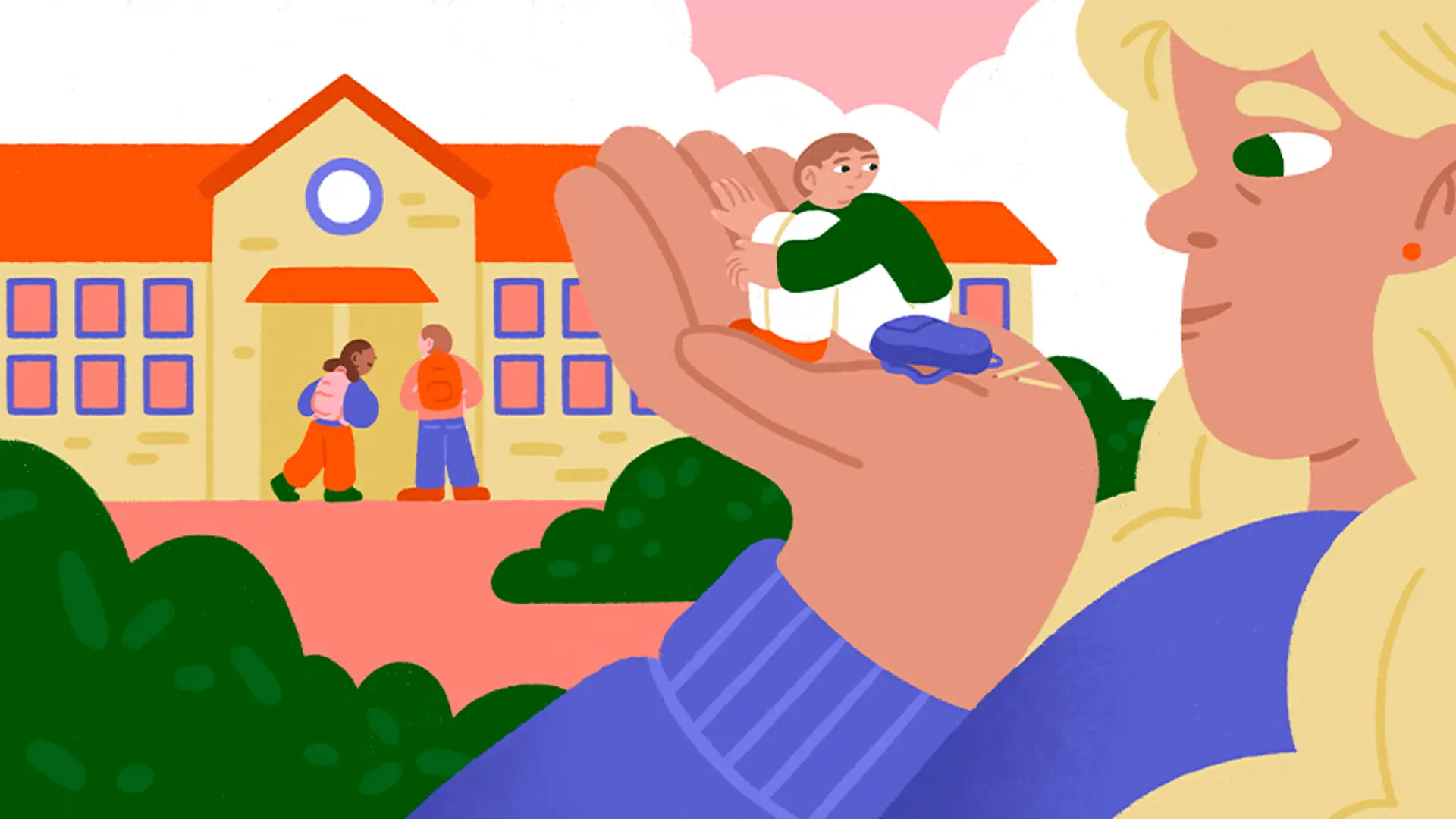
58076-exp-2029-03.jpg

  • Counselling sessions about online bullying increased by 9%.

  • As Anti-Bullying Week starts, Childline is reminding young people that they are always available to help with any worries.

  • The theme of the week this year is ‘Break the Silence’, encouraging children, young people and adults to start conversations about bullying, speak up, listen and take action together.


Thousands of children and young people across the UK continue to contact Childline for support about bullying, with new figures showing a rise in those seeking help for online abuse.

New data from Childline, released for Anti-Bullying Week 2026 (16-20 November), reveals that the our service delivered 5,982 counselling sessions in 2025/26 where bullying was the young person's main concern.

There was a 9% increase in counselling sessions about online bullying (736) compared with last year (674).

This Anti-Bullying Week, the theme is ‘Break the Silence’, encouraging children, young people and adults to start conversations about bullying, speak up, listen and take action together.

Childline is reminding young people that the service is ready to support them with any issue, including bullying.

When contacting Childline about online bullying, young people told counsellors how they are seeing hurtful or abusive posts about themselves online, being targeted on social media platforms, and facing pressure, intimidation and exclusion from peers in online spaces.

A girl aged 11 told Childline:

"I want to be in these chat groups because people make fun of me if I'm not in them. But when I'm in the groups, people bully me there and say horrible things about me. I leave one group, get added to another one on a different app and the bullying continues. It's stressing me out."

In terms of in-person bullying, children shared that they were being bullied verbally and physically, that they were being targeted for being different and excluded from certain social situations.

A boy aged 12, said:

“When I get the bus from school, this kid always sits in front or behind me and he'll always touch me or like push my head into my knees and do weird things that I don’t want to happen. I don't know if what is happening to me is bullying or what I should do about it.”

Shaun Friel, Childline Director, said:

"Bullying is commonplace within young people's lives and can leave them feeling isolated, anxious and vulnerable.

"At Childline, we are hearing from children being bullied in person, but also more are reaching out about experiences of online bullying, with many telling us that it is increasingly taking place on social media and other digital platforms. Unlike previous generations, bullying no longer ends at the school gates. For many children, it can follow them home on their phones and into their bedrooms, making it feel impossible to escape.

"This Anti-Bullying Week, we want every young person to know that they do not have to face bullying alone. Whether it is happening online or in person, Childline's counsellors are available 24 hours a day, seven days a week, providing free, confidential support whenever it is needed."

Tips for parents and carers:

  • Talk to Your Child: It's important to choose the right time to talk to your child. When you do, try to stay calm, as they may be feeling scared or embarrassed. You can also let them know who they can turn to for help if they would rather speak to another adult, such as a teacher or a Childline counsellor.

  • Help Them Relax: Bullying can cause children to lose confidence. Encourage them to engage in activities that make them feel good, such as listening to music, playing games, participating in sports, or joining clubs and classes. 

  • Arrange a Meeting: Speaking to your child’s teacher and arranging a meeting is a good opportunity to ask about the actions the school plans to take and to ensure that you are satisfied with their response. Additionally, take notes on what is discussed. It is also helpful to request a copy of the school's or club's anti-bullying policy.

  • Report Bullying: In addition to providing emotional support for your child, make sure your child knows how to block accounts and report anyone who is bullying them to the relevant platform. If the bullying involves content being shared on social media, consider getting in contact with the site and they may be able to remove it.

If the content shared is a sexual image or video and they are under 18, they can use the Report Remove tool.

If your child has bullied someone, you may feel a mix of anger and disappointment. However, it’s important to help your child understand what bullying behaviour is.

  • Explain Bullying: Talk to your child about the impact of bullying on others. Make sure they understand that such behaviour is unacceptable. Children don’t always realise that their actions are bullying and how much it can hurt someone else.

  • Encourage Empathy: Help your child recognise the feelings of the person they have bullied. Ask them how they think the other child is feeling and encourage them to recall a time when someone was unkind to them. This can help them develop empathy for others.

  • Decide Next Steps: Discuss what actions you will take next, such as informing their school, and let your child know what you expect from them moving forward. Encourage them to ask questions about why it’s important to change their behaviour.

  • Monitor Your Child: Keep an eye on your child's behaviour and maintain ongoing conversations about how they treat others. Praise them when they demonstrate positive behaviour but also reinforce your expectations when necessary.

Tips for children:

  • Tell Someone: It's important to talk to a trusted adult, such as a parent or teacher, and share the evidence of the bullying. If the bullying is occurring at your school, they have a responsibility to support you.

  • Practice Assertiveness: Being assertive means standing up for yourself in a calm and confident manner, without being aggressive. This can help you feel more empowered and in control when facing bullying.

  • Report and Block Individuals: If the bullying is online, you can report bullying on social media platforms. It’s good to make the report yourself, as this increases the likelihood that the content will be removed.

  • Keep Evidence: Maintain a record of incidents, noting what happened and when. It’s also helpful to take screenshots of any online messages.

  • Take a Break from Messages: It’s natural to want to see what others are saying when you’re being bullied. However, stepping away from your phone or device for a few minutes can help you feel calmer and more at ease.

  • Look After Yourself: Bullying can be upsetting and stressful. Make time for things that help you feel good, whether that's spending time with friends and family, taking a break from social media, exercising, or enjoying a favourite hobby.

Childline is available 24 hours a day by calling 0800 1111 or visiting the Childline website for confidential support and advice.

Worried about a child?

You can contact our Helpline by calling 0808 800 5000 or emailing [email protected]

Find out more

Snapshots/quotes are based on real Helpline contacts but are not direct quotes. All names and potentially identifying details have been changed to protect the identity of the child and/or adult involved.

Notes:

  • Please click here to download images.

  • Snapshot quotes are based on the experiences of real Childline service users. Names and identifying details have been changed to protect identities.

  • Adults concerned about a child can contact the NSPCC Helpline on 0808 800 5000 or email [email protected]. · More information and advice can be found on the NSPCC’s website for adults helping their child with bullying.

  • More information on Childline’s advice to young people on dealing with bullying can be found here.

  • Anti-Bullying Week (16–20 November) reaches three-quarters of schools and millions of children and young people.

  • Odd Socks Day opens the campaign on 16 November, inviting all ages to wear odd socks and celebrate their individuality.

  • The campaign in England, Wales and Northern Ireland is coordinated by the Anti-Bullying Alliance, based at the National Children’s Bureau. · Find out how you can get involved at Anti-Bullying Week or join us on social media via #AntiBullyingWeek #OddSocksDay #BreakTheSilence.

  • Sarah Wayman, Head of the Anti-Bullying Alliance, said: “The number of children and young people turning to Childline for support with bullying shows just how urgently we need to act. No child should have to face bullying alone. The Anti-Bullying Alliance’s first message to anyone experiencing bullying is simple: talk to someone you trust, whether that’s a parent, friend, teacher or helpline. We must all help children and young people feel safe to speak out, listen when they do, and take their concerns seriously. Together, we can Break the Silence about bullying.