
Contact the NSPCC Helpline
You can contact our Helpline by calling 0808 800 5000 between 10am and 4pm, Monday to Friday, or by emailing [email protected] between 11am and 4pm, seven days a week. If you send an email when the service is closed, it won't be received, and we won't know that you've tried to get in touch.
If we have not yet responded to you and your concerns for the safety of a child increase, please contact the police or local Children’s Services directly. Please be assured that we'll action all contacts that our Helpline receives.

Under 18?
Childline offers free, confidential advice and support whatever your worry, whenever you need help.

Tips for talking to children about safety

- Allow them space to speak and explore.
- Ask open questions about how they feel. You could ask:
- How did you feel during this activity?
- What did you think of the activity? Why?
- What part of the activity do you think is the most important?
- Which adults do you trust and feel comfortable talking about your worries with?
- What could you do if you’re worried about something?
- Feel free to share your own thoughts with them too – this can help them feel more comfortable sharing.
- Make sure your child knows you’re listening and that you’re there for them.
- Ensure you respond appropriately if a child tells you they’ve been hurt.
Have a look together at the statements below – and talk about what they mean.
You could print them out, cut them up, write them out or just talk about them.
OK:
- Speaking to a trusted adult if you feel worried or scared.
- Talking to Childline.
- Talking to a trusted adult about your feelings.
- Going to sleep with your favourite teddy bear.
- Falling asleep during story time at home.
Not OK:
- A child being hurt by someone.
- Children being mean to each other.
- Hurting a child’s feelings.
- A child being asked to keep something secret that upsets them.
- A child not being cared for in the right way.
Repeat the messages so they remember them.
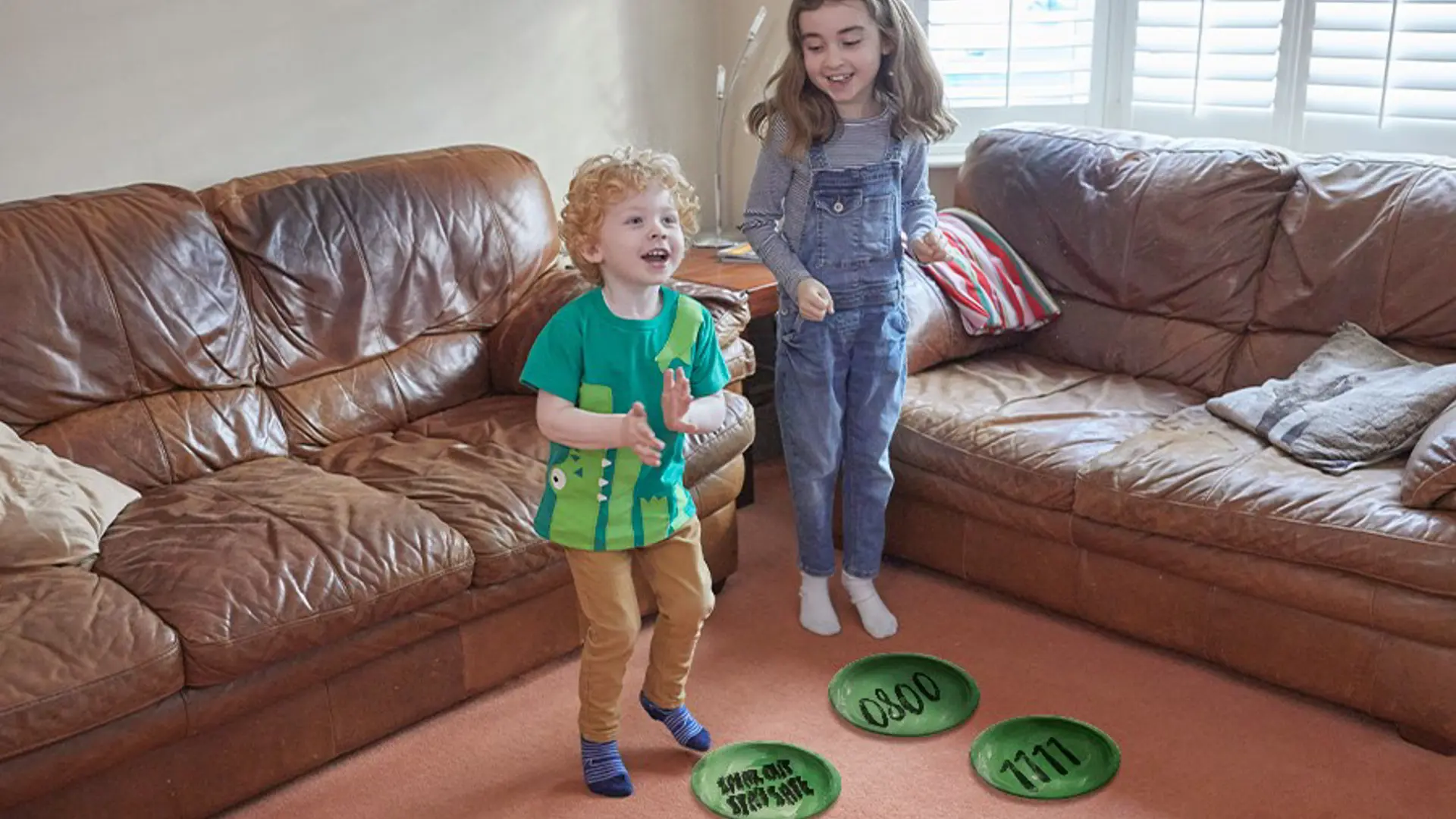
You can help your kids remember these by getting active – asking them to move to different sides of the room, house or garden if they think a statement is OK or not OK.
While you are doing this activity, ask your child to think about whether each statement is OK or not OK and start a conversation about why.
Have a look together at the statements below – and talk about what they mean.
You could print them out, cut them up, write them out or just talk about them.
OK:
- Speaking to a trusted adult if you feel worried or scared.
- Having the right to speak out and stay safe.
- Knowing that abuse is never a child’s fault.
- Asking for help.
- Contacting Childline about anything.
Not OK:
- A child being hurt by someone.
- Bullying.
- A child not being cared for in the right way.
- A child being asked to keep a secret that makes them feel worried.
- A child being abused in any way.
Repeat the messages so they remember them.
You can help your kids remember these by getting active – asking them to move to different sides of the room, house or garden if they think a statement is OK or not OK.
While you are doing this activity, ask your child to think about whether each statement is OK or not OK and start a conversation about why.
Why not ask your child to come up with some of their own OK/Not OK statements?
Giving children a chance to learn through a playful and hands-on experience helps them make sense of these important staying safe messages and remember them.
For younger children, saying something out loud and repeating it several times forms mental connections that help them to remember.
It’s also a great opportunity to ask questions and start conversations about safety – so your children understand that their trusted adult is there for them whatever they want to talk about.
Resources and support for parents, carers and kids
We have lots of advice for parents and carers to help with anything that might be worrying you. You can also call our helpline if you have any questions or need any support.
- Get useful resources and advice about a range of topics from our support for parents hub.
- Since we launched PANTS, parents have had over 8 million conversations with their children to help keep them safe
- Visit our Online Safety Hub for advice and information on a range of different online safety topics, including gaming, social media, sharing nudes, parental controls and more.
Childline is always here for children – whatever their worry. Your child can always contact a Childline counsellor on the phone, online with 1-2-1 chat or by email. The Childline website has lots of useful, age-appropriate resources they can use for support:
- Find out about contacting Childline - or watch our video about what happens when you call.
- There are also lots of ways for deaf, Deaf and hard of hearing children can get support from Childline.
- Get advice written specially for Under 12s about anything that might be worrying them.
- Visit our Buddy Zone for more safety advice.
- Playing Childline’s games is a safe way to relax and play online.
- Bust stress and feel calmer with Childline’s Build your happy place.
Why learning to speak out is important
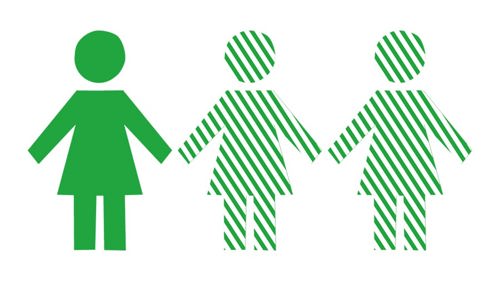

1 in 3 children sexually abused by an adult did not tell anyone what had happened to them.

On average, a child contacts Childline every 45 seconds. We're here when no one else is listening.
Try another activity
About our information
This information has been reviewed by the NSPCC's Knowledge & Information team.
Date reviewed
Statistics Reviewed: 10 September 2026 | Next Review: 1 June 2027