The 'Hide page' button at the bottom left of your screen will quickly take you to Google.
Alternatively use Ctrl + W (PC) or Command + W (Mac) on your keyboard to close this tab.
You can contact our Helpline by calling 0808 800 5000 between 10am and 4pm, Monday to Friday, or by emailing [email protected] between 11am and 4pm, seven days a week. If you send an email when the service is closed, it won't be received, and we won't know that you've tried to get in touch.
If we have not yet responded to you and your concerns for the safety of a child increase, please contact the police or local Children’s Services directly. Please be assured that we'll action all contacts that our Helpline receives.
Childline offers free, confidential advice and support whatever your worry, whenever you need help.

Not found what you're looking for? Visit our Advice for families landing page for all our parental advice content.
The reasons children and teenagers self-harm will be different for everyone. They might not be able to name any one reason they’re self-harming.
For many young people, the physical pain is a distraction from the emotional pain they're struggling with.
Some experiences or emotions can make self-harm more likely in children, including:
7% of all of all Childline counselling sessions related to self-harm in 2025/26.
Source: Childline Annual Review
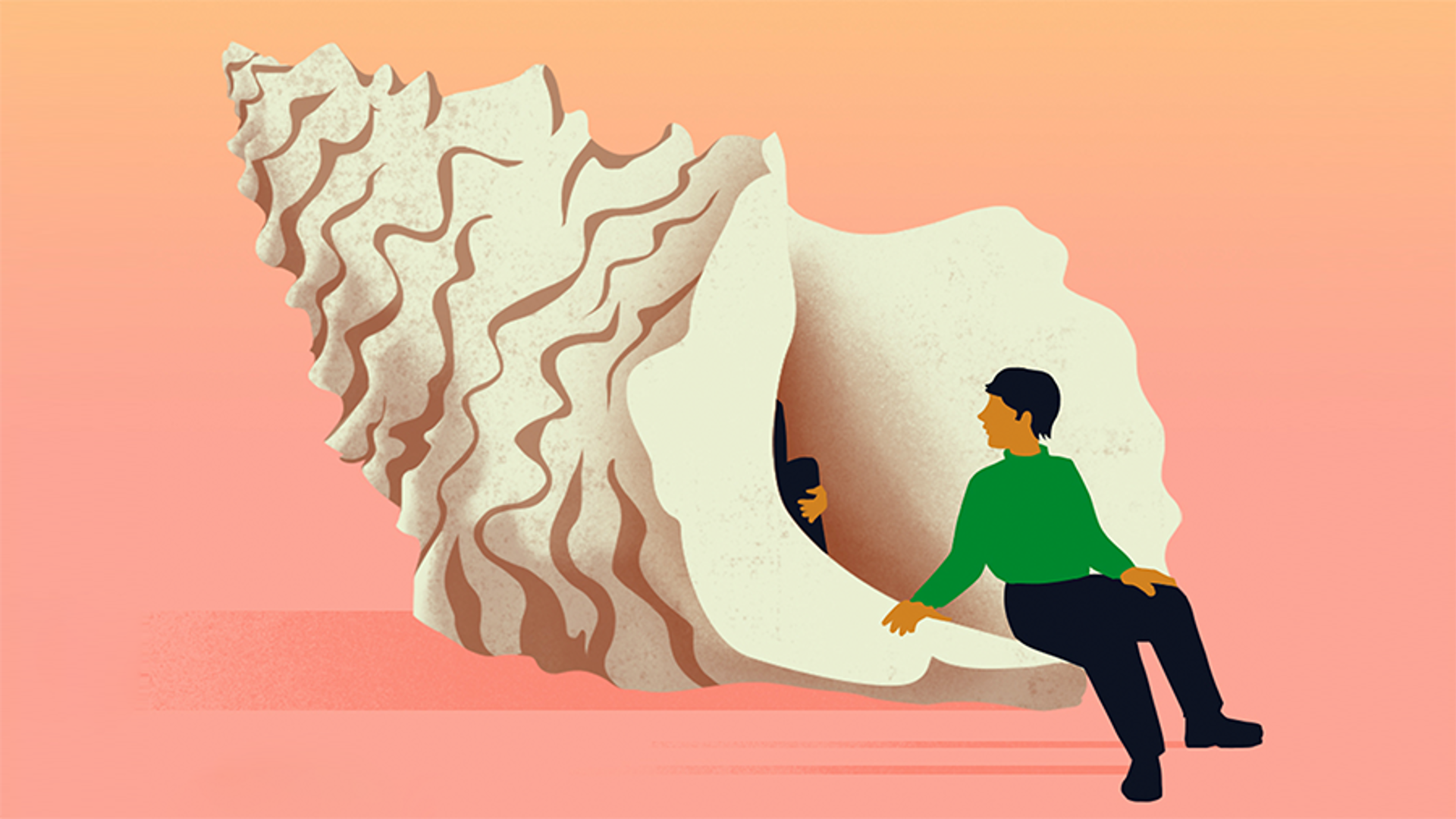
It can be hard to recognise the signs of self-harm in children and teenagers, but as a parent or carer it’s important to trust your instincts if you’re worried something’s wrong.
Signs to look out for can include:
Finding out that your child’s self-harmed can be hard to accept, and it’s natural to feel anxious or upset. Some parents and carers might blame themselves or feel powerless to help. But you can try:
Suggesting something your child could do to cope with difficult feelings can be helpful.
Young people who’ve spoken to us have found it helpful to:
Childline has many self-harm coping techniques for children and young people. The wall of expression game can also be a helpful way for young people to deal with difficult feelings.
Many children who self-harm suffer from low self-esteem or confidence. You can help by:
Childline also has advice for children and young people on building their confidence and self-esteem.
You can contact the NSPCC Helpline by calling 0808 800 5000 or emailing [email protected]
You can help us to support more families.
This information has been reviewed by the NSPCC's Knowledge & Information team.
Statistics Reviewed: 8 September 2026 | Next Review: 1 June 2027
Illustration credits
Top banner and page body illustrations by Ana Yael.
Parenting advice row: see individual pages for details.