
Contact the NSPCC Helpline
You can contact our Helpline by calling 0808 800 5000 between 10am and 4pm, Monday to Friday, or by emailing [email protected] between 11am and 4pm, seven days a week. If you send an email when the service is closed, it won't be received, and we won't know that you've tried to get in touch.
If we have not yet responded to you and your concerns for the safety of a child increase, please contact the police or local Children’s Services directly. Please be assured that we'll action all contacts that our Helpline receives.

Under 18?
Childline offers free, confidential advice and support whatever your worry, whenever you need help.
See something, say something

If you see something that worries you, you should feel able to say something to someone. If you think a child is in immediate danger of abuse, contact the police on 999.
Knowing when something is wrong with your child
It’s vital that all parents and carers can spot any possible signs of abuse and know what to do. Here are some typical signs to look out for:
- unexplained changes in behaviour
- a change in the way they talk about their sport, coach, a member of staff, peer or any other individual
- anxiety about attending practice or taking part in a sport or activity they once enjoyed
- mention of negative things they’ve seen or heard happen to others
- changes in diet or appetite
- sudden concerns about their weight or appearance
- frequent communication, either online or in person, with a coach or other member of staff outside of the sports setting that isn’t about practices or competition planning
- unexplained gifts or favours from coaches or other staff members
- increased levels of stress or pressure to achieve or perform well
Your club or activity organisation should have a welfare officer and you can raise anything you see or hear with them.
If you have any concerns, worries or doubts about anything that may cause harm to your child’s wellbeing, you can always contact the NSPCC Helpline on 0808 800 5000 or email [email protected]
Spotting potentially harmful behaviour
Not all behaviour is abusive, but some can still be harmful. For example:
- Are adults shouting from the sidelines?
- Are they criticising mistakes?
- Are they focusing on a child’s weight?
- Do they challenge official decisions?
- Do they disrespect others?
- Are they pushing competitions when the child is too young?
It's still important to raise any issues with your club welfare officer, or the NSPCC Helpline.
Speaking out in sport
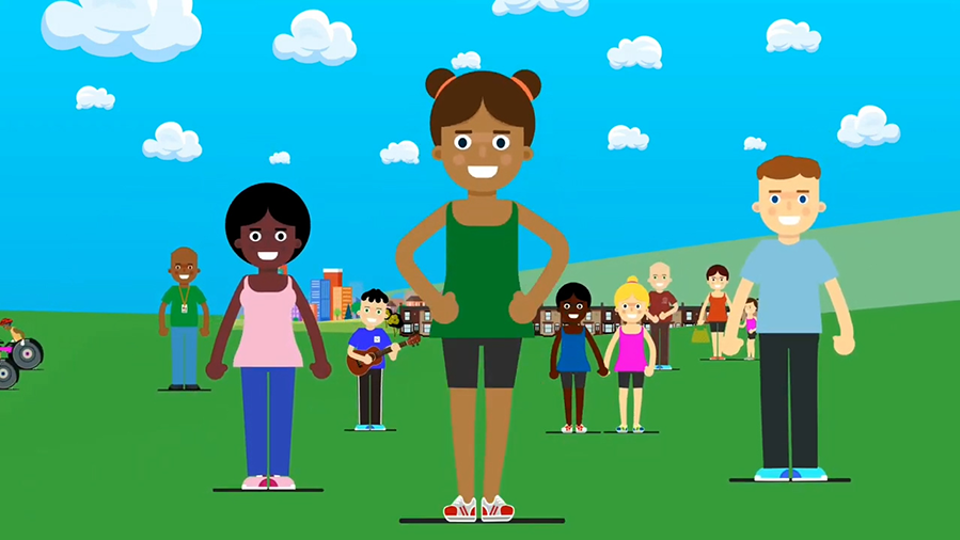
This video looks at what parents can do to help keep their child safe and who they can turn to for help if something is wrong. We hear Ellie's story, a young athlete who has a negative experience and whose parents aren't sure how to support her.
See something
Listen to your child about their worries or concerns. Let them express how they feel freely and with an open mind.
Watch their body language and learn what is usual and unusual behaviour for them.
Say something
Speak to the club or activities’ child protection, safeguarding or welfare officer to discuss your concern.
If you’re unsure who to speak to, the NSPCC helpline can support you and advise you on what to do next – call 0808 800 5000.
Get support
Ask your club what happens next, and how your child and you will be supported going forward. The NSPCC is always here to support you.
Let your child know that you’ve acted on what they’ve told you, and that they can come back to you again if they need to.
The idea of speaking out about abuse, a worry or concern can be daunting, but by taking action, you'll be safeguarding the child as well as helping to prevent others being harmed or put at risk.
More advice and support


We all want children and young people to enjoy taking part in sport – and parents play a key role in that. Find out what else you can do.