The 'Hide page' button at the bottom left of your screen will quickly take you to Google.
Alternatively use Ctrl + W (PC) or Command + W (Mac) on your keyboard to close this tab.
You can contact our Helpline by calling 0808 800 5000 or emailing [email protected].
Our voice Helpline is available 10am–4pm Monday to Friday. You can email [email protected] at any time for free. You have the option to remain anonymous.
If we have not yet responded to you and your concerns for the safety of a child increase, please contact the police or local Children’s Services directly. Please be assured that we'll action all contacts that our Helpline receives.
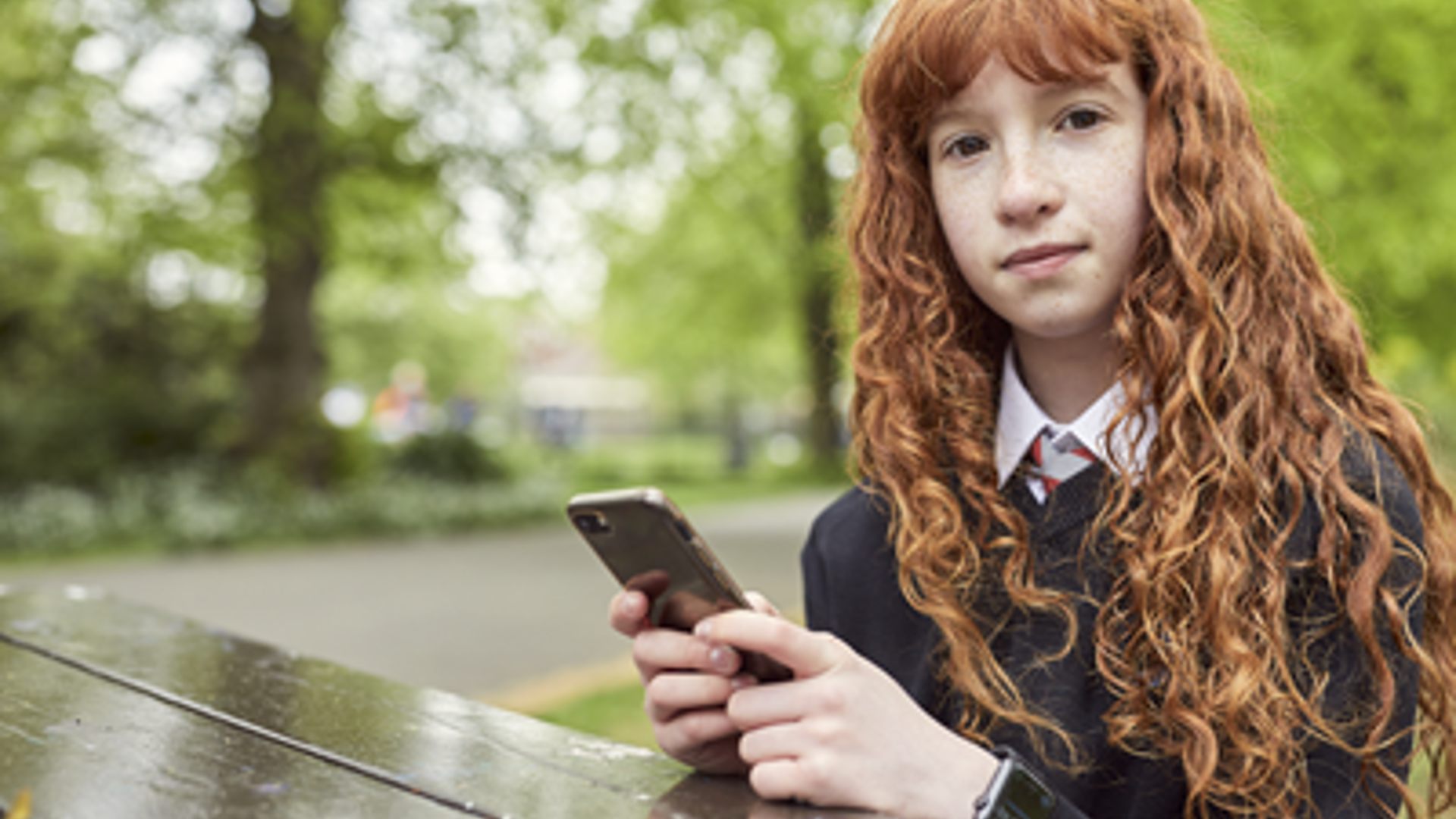
Childline offers free, confidential advice and support whatever your worry, whenever you need help.

There are lots of reasons why a child or young person might tell someone they're being abused, including:
It can be very hard for them to open up about what's happened to them. They might be worried about the consequences or that nobody will believe them. They might've told someone before and nothing was done to help them. Sometimes they might not know what's happening to them is abuse and struggle to share what they're feeling. Some children don't reveal they're being abused for a long time, some never tell anyone.
If a child is in immediate danger, call the police on 999 straight away.

It's normal to feel anxious, nervous or unsure about getting in touch with us. We're here to help and take that worry from you. Letting us know you're worried about a child could be the first step to helping protect them from a lifetime of abuse and neglect.
If a child is in immediate danger, call the police on 999 straight away.
Report Abuse in Education helpline
We’ve launched a dedicated helpline for children and young people who have experienced abuse at school, and for worried adults and professionals that need support and guidance, including for non-recent abuse. Call our new NSPCC helpline, Report Abuse in Education on 0800 136 663 or email [email protected].
If you want to report the abuse to us, you can contact us or children's services where the child is living.
If you contact us, a helpline counsellor will speak to you about what the child or young person has said and advise you on what needs to happen next. If the child is at risk of harm we'll:
Our helpline team is here to make your contact as stress-free and comfortable as possible. Finding out what happens when you get in touch can help put your mind at ease about the process.
A call handler will answer the phone and ask a few basic questions to help them understand your worries. They might also give you answers to any questions that you have. If you’re worried about a child or young person or need parenting advice, they’ll put you through to a child protection specialist.
If you email us, they’ll prioritise the most urgent queries.
A child protection specialist will listen to your concerns and ask you any questions they might have. This helps to make sure they understand the information you’re sharing, assess the situation, and make decisions about the next steps to take.
If you email us, they’ll write back to you with advice or some questions. You might be asked to call the Helpline if you can.
When there’s a serious concern about a child and you've shared the child's identity, the child protection specialist will make a report and share information with social services. This is known as 'making a referral'.
They might also contact local police if the child is in immediate danger. If the Helpline don't need to make a referral, they’ll give you advice on what you can do or information on local services.
No matter the outcome of your contact, we always encourage you to get in touch again if you need to. We'll pass on any further information you or anybody else shares about the child or young person you're worried about.
We understand that you might want to know what happens to the child or young person. However, we have a duty to protect the privacy of those involved and won't be able to share that information.