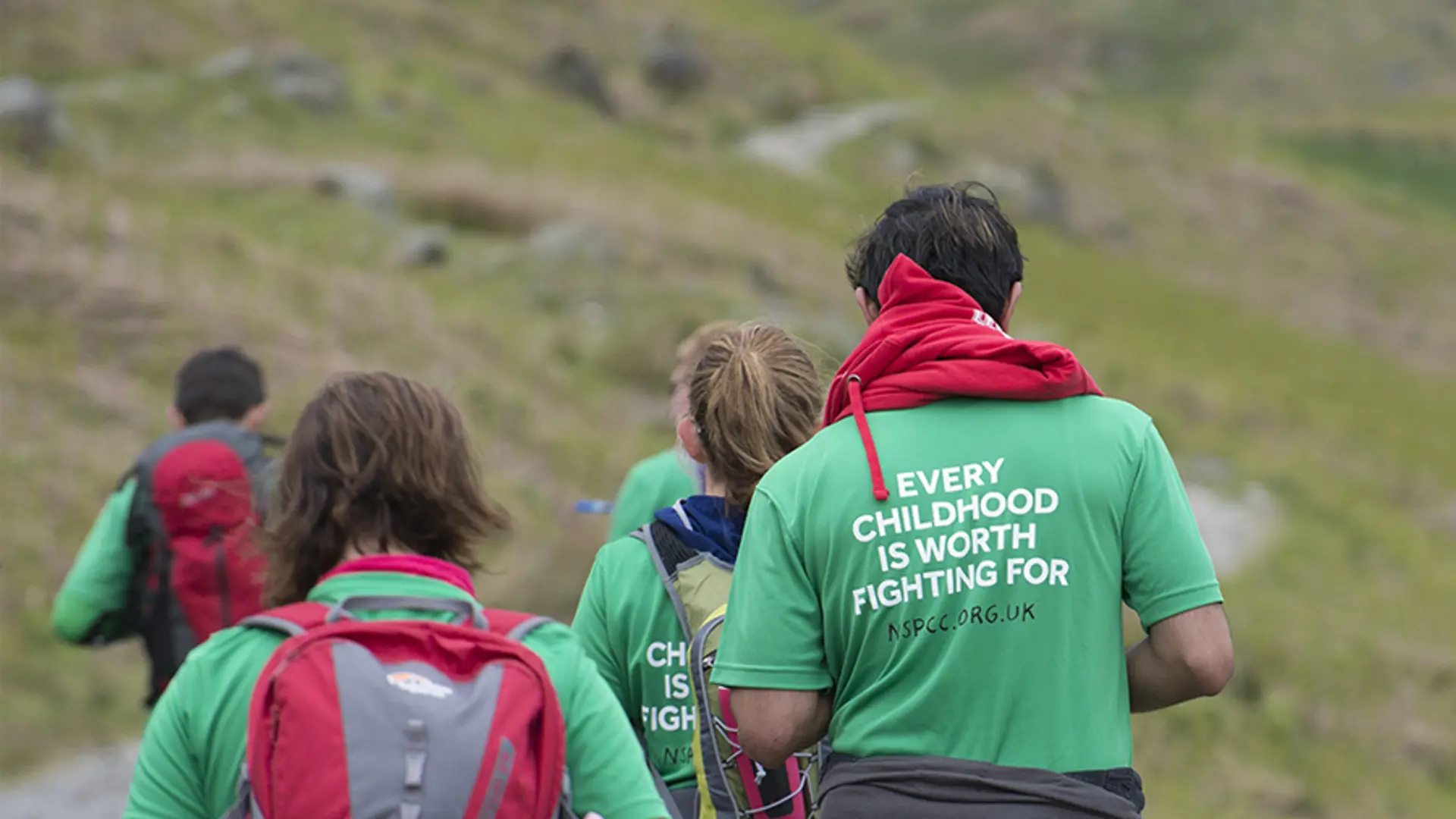
Picking up an injury when you’re training for an event can be frustrating, as well as painful. Follow our advice to reduce your risk.

You can contact our Helpline by calling 0808 800 5000 between 10am and 4pm, Monday to Friday, or by emailing [email protected] between 11am and 4pm, seven days a week. If you send an email when the service is closed, it won't be received, and we won't know that you've tried to get in touch.
If we have not yet responded to you and your concerns for the safety of a child increase, please contact the police or local Children’s Services directly. Please be assured that we'll action all contacts that our Helpline receives.

Childline offers free, confidential advice and support whatever your worry, whenever you need help.
Picking up an injury when you’re training for an event can be frustrating, as well as painful. Follow our advice to reduce your risk.
Doing too much too soon is a real injury risk. Respect your body – take things slowly and stick to a gradual training plan.
Adding variety to your training is great for your body and mind. Cross-training, as it’s known, will boost your fitness, strength and add interest to your training so you don’t get bored. For example, you could try weights and circuit classes at the gym.
Find time in your training diary for core and balance work too: pilates and yoga classes are excellent for improving your flexibility, stretching out your muscles and building strength in your joints.
It’s normal to have some fatigue after and during training. It’s a sign that you’re working hard and any discomfort should go away after a warm shower and rest.
But if you have a pain that doesn’t improve after a couple of days rest, affects your training or comes back after or during your sessions, it’s a good idea to put your training on hold and get professional help from a sport’s injury physiotherapist.
It’s important to include rest days in your training to give your body the chance to repair and renew. Keep up good sleep habits too. All this is essential if you pick up a niggling injury or illness: don’t think you have to push through – it could actually set you back, and harm your chances of being fit for the day.
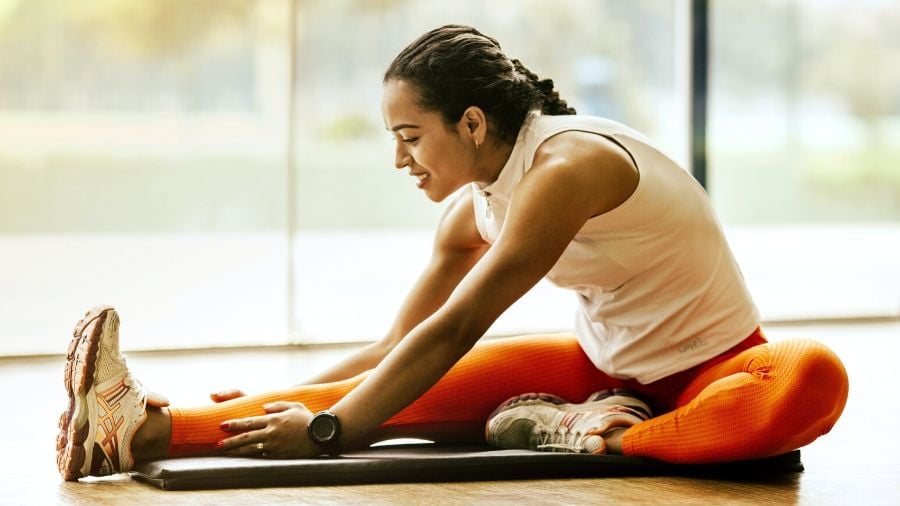
Ease your body into exercise: try dynamic moves like bringing your knees up to your chest while you walk. Afterwards, always make time for stretches – hold each pose for around 20-30 seconds to maximise the benefits. For extra-achy muscles, try using a foam roller or book a sports massage as a treat.